
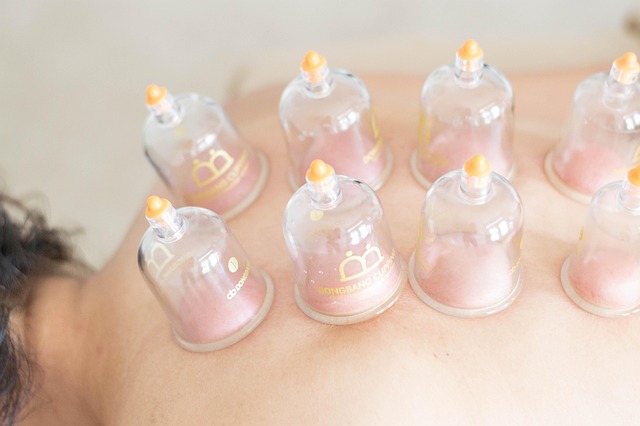
What Is Cupping Therapy?
Cupping therapy is a safe, non-invasive treatment that uses gentle suction to lift and decompress muscle and connective tissue. Unlike massage, which applies downward pressure, cupping creates negative pressure that lifts tissue upward. This improves circulation, reduces muscle tightness, and supports the body’s natural healing response. Cupping is commonly used for:
- Back and neck pain
- Shoulder tension
- Sports injuries
- Supports muscle recovery and reduces delayed onset muscle soreness (DOMS)
- Muscle tightness
- Headaches
- Stress-related tension
- Post-workout recovery
- Back Pain
- Improves circulation and reduces muscle tension
- Helpful for desk posture strain and rotator cuff tightness
- Chronic Muscle Tightness
- Effective for long-standing myofascial restrictio.
- It is often combined with acupuncture for enhanced results
How Does Cupping Therapy Work?
Cupping therapy works through mechanical decompression, improved blood flow, and nervous system regulation. Cupping may help regulate inflammatory markers associated with chronic pain. Systematic reviews suggest cupping can reduce pain intensity and improve function in musculoskeletal conditions. Cupping stimulates skin and fascia receptors that influence the nervous system.
Do the Marks Mean Bruising?
Cupping marks are not traditional bruises.
They occur due to Capillary dilation, Blood pooling, and Release of stagnation.
* Marks typically fade within 3–10 days and are not painful.
What to Expect During a Cupping Session
A typical session lasts 10–20 minutes and may be combined with acupuncture.
You may feel:
- Gentle suction
- Warmth
- Stretching sensation
* Suction intensity is always adjustable for comfort.
Is Cupping Therapy Safe?
When performed by a licensed practitioner, cupping therapy has a strong safety profile.
Temporary effects may include:
- Skin discoloration
- Mild soreness
- Temporary tenderness
* Serious adverse events are rare.