
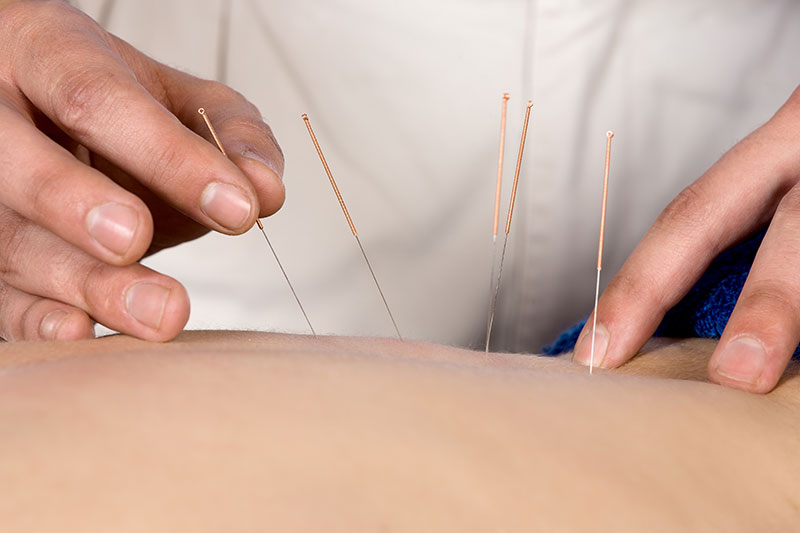
Explore the healing support of acupuncture with Xinlin Zhang, D.A.O.M. LAc, where time‑honored techniques meet personalized care. Specializing in pain management, chronic illness, and sports medicine, Xinlin works with specific points along the body’s meridians to help balance Qi (energy), ease discomfort, and support overall harmony. Each session is tailored to your needs, and Xinlin may recommend herbal remedies to gently support your body’s natural healing. Our practitioner, Xinlin Zhang D.A.O.M. LAc, tailors each session to your specific needs—drawing on his training in Traditional Chinese Medicine to help relieve pain, support chronic conditions, and promote overall balance and well‑being.
What is Acupuncture?
Fascia is the continuous web of connective tissue that surrounds muscles, organs, nerves, and blood vessels—forming a body-wide communication network. Emerging research suggests acupuncture interacts with this system through mechanical and bioelectrical signaling.
- Trauma & PTSD (EMDR and somatic approaches)
- OCD (evidence-based interventions)
- Anxiety Disorders (GAD, panic, social anxiety, health anxiety)
- Depression (including treatment-resistant cases with KAP)
- Grief & Loss
- Chronic Pain & Illness (mind-body work)
- Life Transitions
In a nutshell, acupuncture is a form of East Asian medicine that uses very fine, sterile needles at specific points on the body to support its natural healing processes. It can help with concerns such as pain, tension, stress, sleep, digestion, and the effects of long‑term or chronic conditions. Many people find acupuncture deeply calming, and over time it can support both symptom relief and an overall sense of balance and well‑being.
Acupuncture can address both the underlying patterns behind a concern and the symptoms you feel day to day. By working with specific points on the body, it may help reduce pain, improve circulation, calm the nervous system, and support healthy function of the body’s systems. Many people also notice benefits like improved sleep, steadier mood, and clearer focus, making acupuncture a supportive option for both physical and emotional health.
How Does Acupuncture Work?
After an injury, the body deploys a coordinated healing response involving blood flow, immune signaling, stem cells, and growth factors. However, in chronic injury, repetitive strain, neuropathy, or degenerative conditions, this healing response can become diminished or dysregulated. Acupuncture works through interconnected physiologic mechanisms.
- Nervous system regulation: Activates sensory nerves that communicate with the brain and spinal cord.
- Neurochemical release: Stimulates endorphins, serotonin, dopamine, and enkephalins.
- Brain modulation: Influences regions responsible for pain, emotion, and stress.
- Circulatory effects: Increases blood flow and reduces inflammation.
- Microcirculatory Restoration
- Growth factor and Tissue Repair Signaling
- Stem Cell Mobilization
- Inflammatory Cascade Regulation
What to Expect
During your visit, Xinlin Zhang, D.A.O.M., will start with a conversation about your health history, current concerns, and goals. Based on this intake, he’ll create a treatment plan and gently place very fine, sterile needles at specific points on your body while you rest on a treatment table. Most people feel little to no discomfort and often become deeply relaxed—some even fall asleep. After 20–40 minutes of quiet rest, the needles are removed, and Xinlin may offer simple recommendations or herbal support to continue your care at home.
Treatment may include:
- Acupuncture
- Infrared Heat Therapy
- Cupping
- Gua sha
- Moxibustion
- Electroacupuncture (when appropriate)
Will it be painful?
Acupuncture uses sterile, single-use, surgical-grade stainless steel needles. They are extremely thin—about the width of a human hair and far smaller than hypodermic needles.
Why most patients feel little to no pain:
- Needles are solid, not hollow.
- Inserted gently and precisely.
- Guide tubes minimize sensation.
- Many points are located in low-pain receptor areas.
Patients may feel mild sensations such as tingling, warmth, heaviness, or a dull ache. Most find treatments deeply relaxing.
How Many Treatments Does It Take — And Does Self-Care Matter?
The number of treatments required varies depending on the individual and condition.
Condition Type – Typical Treatment Course
Acute issues 3–6 visits
Subacute conditions 6–12 visits
Chronic conditions 8–20+ visits
Preventive/Welness care Monthly or seasonal
Research suggests acupuncture has cumulative effects, meaning benefits build over a series of treatments.
Patient participation may include:
- Herbal medicine
- Nutrition guidance
- Stretching or rehabilitation exercises such as Qi Gong and or Taichi
- Stress-reduction practices – Self Administered Acupressure
- Sleep optimization – Herbal and or Supplement recommendations
Active engagement in self-care often leads to faster improvement and longer-lasting results.
Is Acupuncture Right for Me?
Acupuncture may be a good fit if you’re looking for a gentle, non‑pharmaceutical way to support your health, either on its own or alongside other care. If you’re unsure whether it’s appropriate for your specific condition, you’re welcome to reach out with questions before scheduling.
Xinlin Specializes in:
- Pain management expertise
- Post-surgical recovery support
- Cupping therapy proficiency
- Addiction recovery assistance
- Expertise in moxibustion
- Respiratory issue management
- Auricular acupuncture expertise
- Gua sha technique
- Digestive disorder treatment
- Trauma healing techniques
- Advanced needling techniques
- Musculoskeletal disorder treatment
- Post Stroke recovery
- Weight loss support
- Endocrine disorder management
- Chronic fatigue solutions
- Chronic Illness management
- Sports Medicine Acupuncture
- Electroacupuncture therapy
- Herbal Medicine Knowledge
- Insurance Billing Knowledge
- Cardiovascular health support
- Geriatric acupuncture